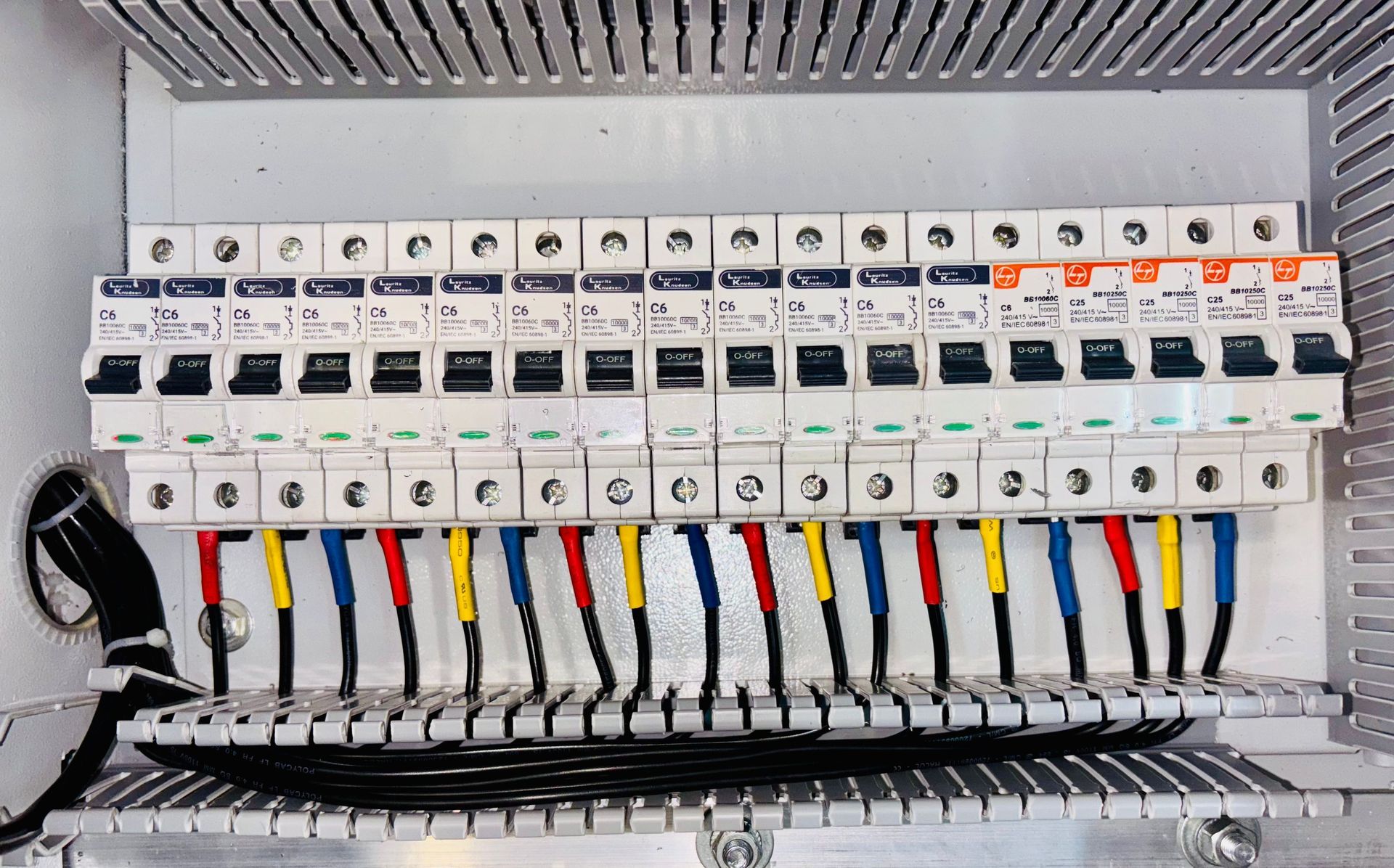
Why Does My Circuit Breaker Keep Tripping? Common Causes and Solutions
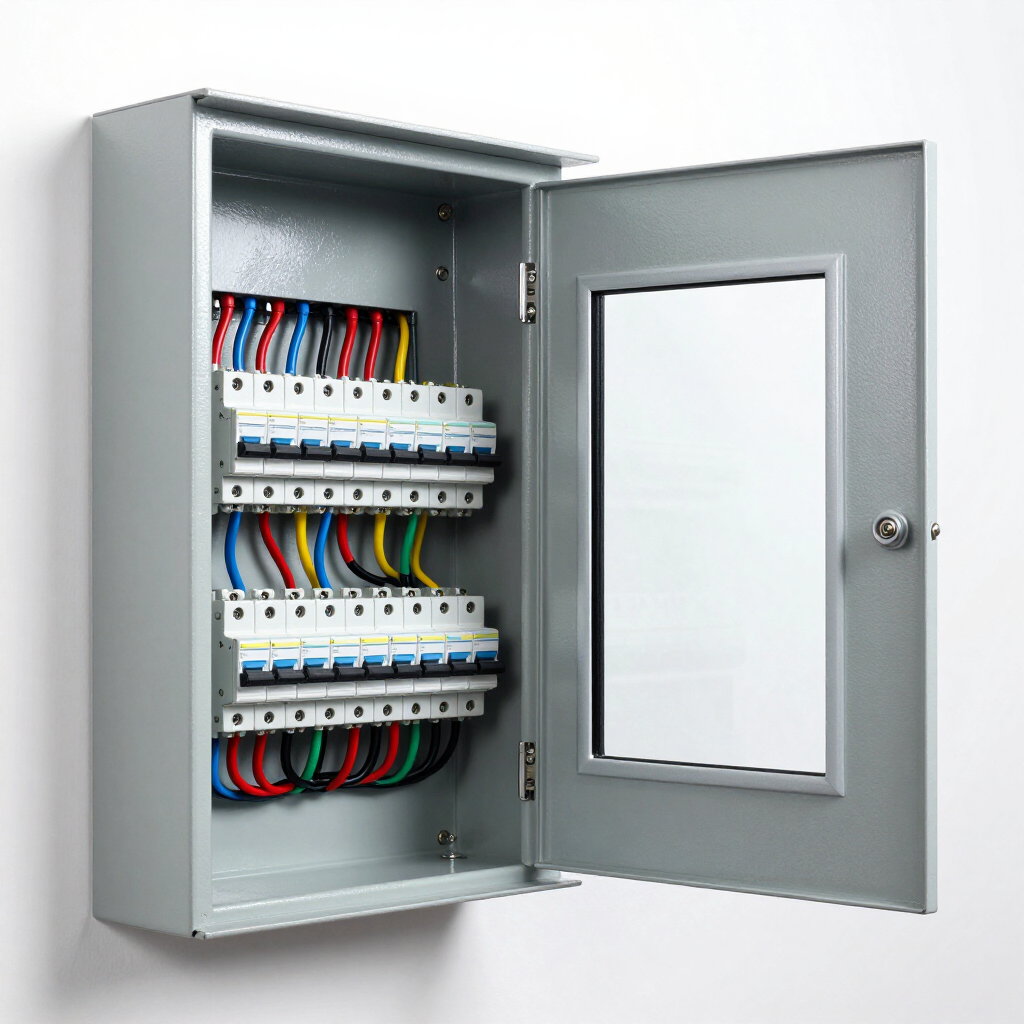
If your circuit breaker keeps tripping, it is usually responding to an electrical condition that needs attention—not simply creating an inconvenience. Common causes include an overloaded circuit, a faulty appliance, a short circuit, a ground fault, or a problem within the wiring or electrical system.
A breaker is designed to interrupt electrical current when conditions become unsafe for the circuit. Resetting it may restore power, but repeated trips should not be treated as normal.
For homeowners and businesses throughout LA County and surrounding areas, understanding what triggers a breaker can help you recognize when a simple load issue may be involved and when professional electrical troubleshooting is the safer next step.
What Does It Mean When a Circuit Breaker Trips?
Circuit breakers are protective devices located in the electrical panel. Their job is to stop current when electrical conditions exceed what the circuit is designed to handle.
The U.S. Consumer Product Safety Commission (CPSC) advises consumers to investigate why a breaker trips instead of repeatedly resetting it. Overloading, malfunctioning equipment, and short circuits are among the possible causes.
Think of the trip as a warning. The important question is why it happened.
If you reset a breaker without addressing the cause, it may trip again—and the underlying electrical problem remains.
External Resource:
→
[CPSC Circuit Breaker Safety Information – https://www.cpsc.gov/Newsroom/News-Releases/1983/Commission-Closes-Investigation-Of-FPE-Circuit-Breakers-And-Provides-Safety-Information-For-Consumers] — Consumer safety guidance from the U.S. Consumer Product Safety Commission explaining circuit overloads, breaker trips, and why repeated trips should be investigated.
Common Reasons a Circuit Breaker Keeps Tripping
The same symptom can have several causes. Knowing when the breaker trips and what was operating at the time gives an electrician useful clues during diagnosis.
The Circuit Is Overloaded
An overload occurs when equipment on a circuit demands more current than the circuit is intended to carry.
For example, using several high-demand appliances on the same circuit can cause the breaker to trip. Electrical Safety Foundation International identifies frequent breaker trips, dimming lights, warm or discolored wall plates, and buzzing receptacles among potential warning signs of overloaded circuits.
If the breaker trips when several devices operate simultaneously but stays on after some are disconnected, excessive demand may be involved.
That does not mean installing a larger breaker is the solution. Breaker sizing must correspond with the electrical system it protects.
An Appliance May Be Causing the Problem
Sometimes the circuit itself is not the source of the trouble.
A damaged or malfunctioning appliance can repeatedly trip a breaker when connected or turned on. The CPSC recommends unplugging an appliance that repeatedly trips a breaker and having the appliance repaired or replaced as appropriate.
Pay attention to patterns. Does the breaker trip only when a particular microwave, heater, air conditioner, or other appliance starts?
That information can help narrow the diagnosis.
There Could Be a Short Circuit
A short circuit is a fault that can allow a large amount of current to flow through an unintended path.
Unlike an ordinary overload caused by too much demand, a short circuit indicates a fault that requires proper diagnosis.
If a breaker immediately trips again after being reset—or you notice burning odors, scorching, unusual sounds, or other signs of electrical damage—stop repeatedly resetting it.
Learn More:
→
[Electrical Troubleshooting & Diagnosis – https://www.michaellawrenceelectriccalifornia.com/electrical-troubleshooting-diagnosis] — Learn about Michael Lawrence Electric, Inc.'s troubleshooting services for identifying the source of breaker trips, power problems, wiring faults, and other electrical issues.
A Ground Fault May Be Present
A ground fault occurs when electrical current takes an unintended path toward ground.
Ground-fault circuit interrupters, or GFCIs, are designed to detect leakage current and quickly interrupt the circuit. They are particularly important in locations where electricity and water may come into contact.
If a GFCI receptacle or breaker repeatedly trips, do not assume the device is simply being troublesome. Moisture, connected equipment, wiring, or another fault may need investigation.
Learn More:
→
[Electrical Outlets – https://www.michaellawrenceelectriccalifornia.com/electrical-outlet] — Explore electrical outlet services for receptacle problems, outlet replacements, and other situations involving the safe delivery of power at wall outlets.
What Should You Do After a Breaker Trips?
A homeowner can take a few basic steps without opening the electrical panel or working on wiring.
First, turn off or unplug equipment on the affected circuit. Locate the tripped breaker and follow the manufacturer's proper reset procedure. Some breakers move to a middle position when they trip and must be switched fully off before being returned to the on position.
After power is restored, avoid immediately reconnecting everything at once.
If the breaker remains on until a certain appliance operates, that pattern is useful information. If it trips immediately or continues tripping without an obvious cause, professional diagnosis is appropriate.
Never remove a panel cover, touch exposed conductors, replace a breaker with a higher-amperage model, or attempt electrical repairs unless you are qualified to perform that work.
When Should You Call an Electrician?
Repeated breaker trips deserve professional attention when the cause cannot be safely identified from normal appliance use.
Arrange an electrical evaluation if:
- The breaker trips immediately after resetting
- Multiple breakers frequently trip
- You notice burning or overheated odors
- An outlet or switch feels unusually warm
- You hear buzzing or crackling
- Lights repeatedly flicker or dim
- The problem occurs without an obvious high electrical load
- A breaker will not remain on
A qualified electrician can evaluate the circuit, connected loads, breaker, outlets, wiring, and related components instead of guessing which part needs repair.
Learn More:
→
[Electrical Wiring – https://www.michaellawrenceelectriccalifornia.com/electrical-wiring] — Learn about electrical wiring services for properties where damaged, outdated, or inadequate wiring may require professional attention.
Frequently Asked Questions
Is it safe to keep resetting a circuit breaker?
A breaker can be reset after the cause of a normal trip has been addressed, but repeatedly resetting a breaker without knowing why it trips is not recommended. Continued tripping indicates an electrical condition that should be investigated.
Can too many appliances cause a breaker to trip?
Yes. Running equipment that collectively demands more current than a circuit can safely carry can create an overload and trip the breaker.
Why does my breaker trip when I use one appliance?
The appliance could have an electrical problem, or its normal demand may exceed what the circuit can support alongside other connected loads. Diagnosis can determine whether the appliance or circuit is responsible.
Does a tripping breaker mean I need a new electrical panel?
Not necessarily. Breaker trips can result from overloaded circuits, faulty equipment, wiring problems, short circuits, or ground faults. The cause should be identified before a panel upgrade is recommended.
Stop Guessing About Repeated Breaker Trips
A breaker that trips once after an obvious overload may have done exactly what it was designed to do. A breaker that keeps tripping is different. Repeated trips are a reason to identify what is happening within the circuit rather than continually restoring power.
Michael Lawrence Electric, Inc. provides residential and commercial electrical troubleshooting throughout LA County and surrounding areas. If you are dealing with recurring breaker trips or unexplained electrical problems, professional diagnosis can help identify the cause and determine the appropriate repair.
Call (213) 589-3090, Monday through Friday, 7:00 AM–7:30 PM, to discuss your electrical issue.
Learn More:
→
[Contact Michael Lawrence Electric, Inc. – https://www.michaellawrenceelectriccalifornia.com/contact] — Use the contact page to reach Michael Lawrence Electric, Inc. about troubleshooting, repairs, or other residential and commercial electrical service needs.
Recent Posts